Madrid, Barcelona and Valencia
A balanced route for first-time visitors: capital museums and plazas, Catalan architecture and sea air, then Valencia's old centre, markets and Turia Gardens.
Explore Spain through major cities, local landmarks, regional route ideas and practical planning notes for flights, buses and trains.
Hold Shift and scroll to zoom, or use the + / - map buttons. On mobile, use two fingers to move the map.
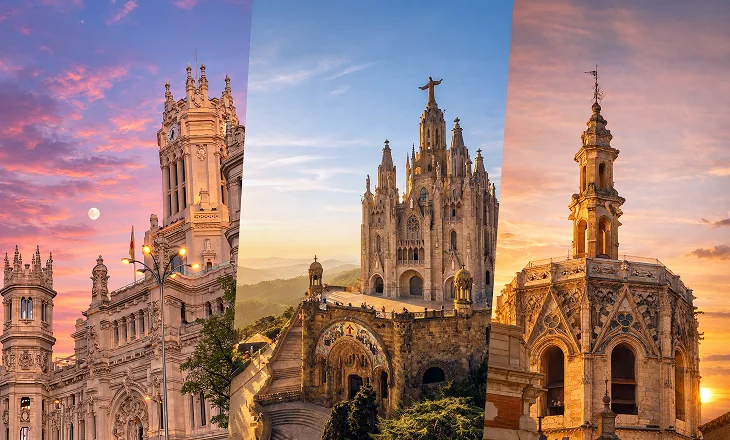
A balanced route for first-time visitors: capital museums and plazas, Catalan architecture and sea air, then Valencia's old centre, markets and Turia Gardens.
A southern route built around Islamic, Christian and local traditions, with palaces, patios, whitewashed hills, port views and Mediterranean breaks.
A slower cultural route where riverside walks, modern architecture, old-town food culture and regional identity feel very different from Spain's south and east.
Zaragoza helps connect Madrid, Barcelona, Valencia and the Basque Country, while Alicante opens a practical coastal route toward the Costa Blanca.
Major Spanish bases for culture, coast, food, history and transport.
Museums, palaces, markets, viewpoints, quarters and waterfronts.
Central Spain, Mediterranean coast, Andalusia and the Basque north.
Use the same route-first system for flights, buses and trains.
Use the overview before deciding whether your route should prioritise culture, old-town walks, coast or transport connections.
Spain is easier to understand when it is viewed as a collection of distinct regions rather than a single, uniform destination. The Mediterranean coast, the central plateau, the Atlantic north and the historic cities of Andalusia each have their own architecture, food traditions, climate and pace of life. An interactive map brings these differences together and helps travellers see how the country's major cities and attractions relate to one another.
This map is designed as a practical planning tool. Travellers can begin with a major city, open individual landmarks, compare nearby places and build a route around their available time. The format works for a weekend break, a multi-city rail journey or a longer road trip. It can also support walking itineraries and neighbourhood-level exploration once the main route has been chosen.
Madrid occupies a central position and acts as a natural transport hub for many domestic journeys. Barcelona and Valencia face the Mediterranean, while Seville, Granada, Malaga and Cordoba form a strong cultural route through Andalusia. Bilbao represents the industrial and artistic identity of the Basque Country, Zaragoza connects several major regions, and Alicante opens the way to the Costa Blanca.
Opening hours, access rules, ticket availability and local transport arrangements can change. Travellers should confirm practical details on official attraction, museum, city transport and tourism websites before departure, especially for timed-entry monuments and popular seasonal events.
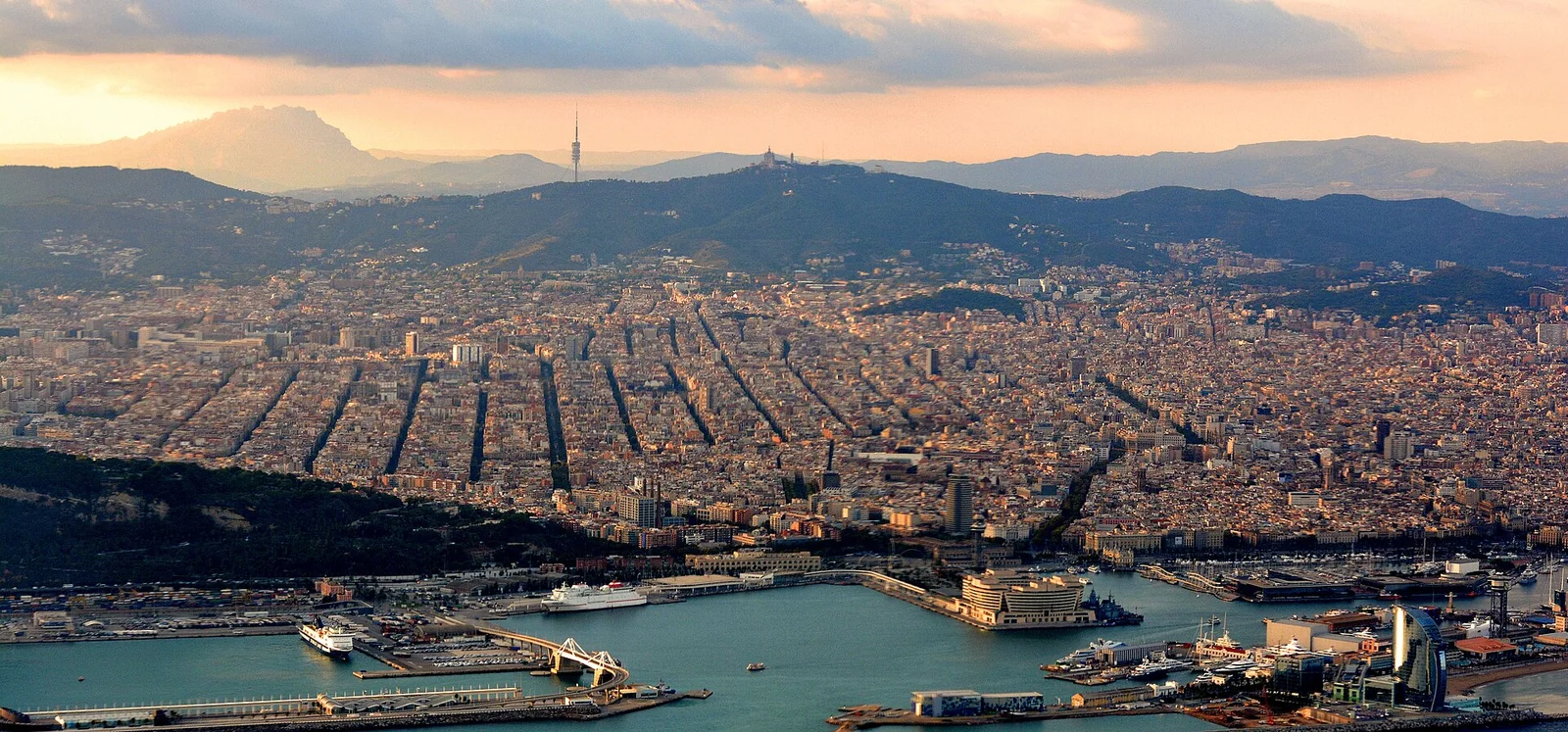
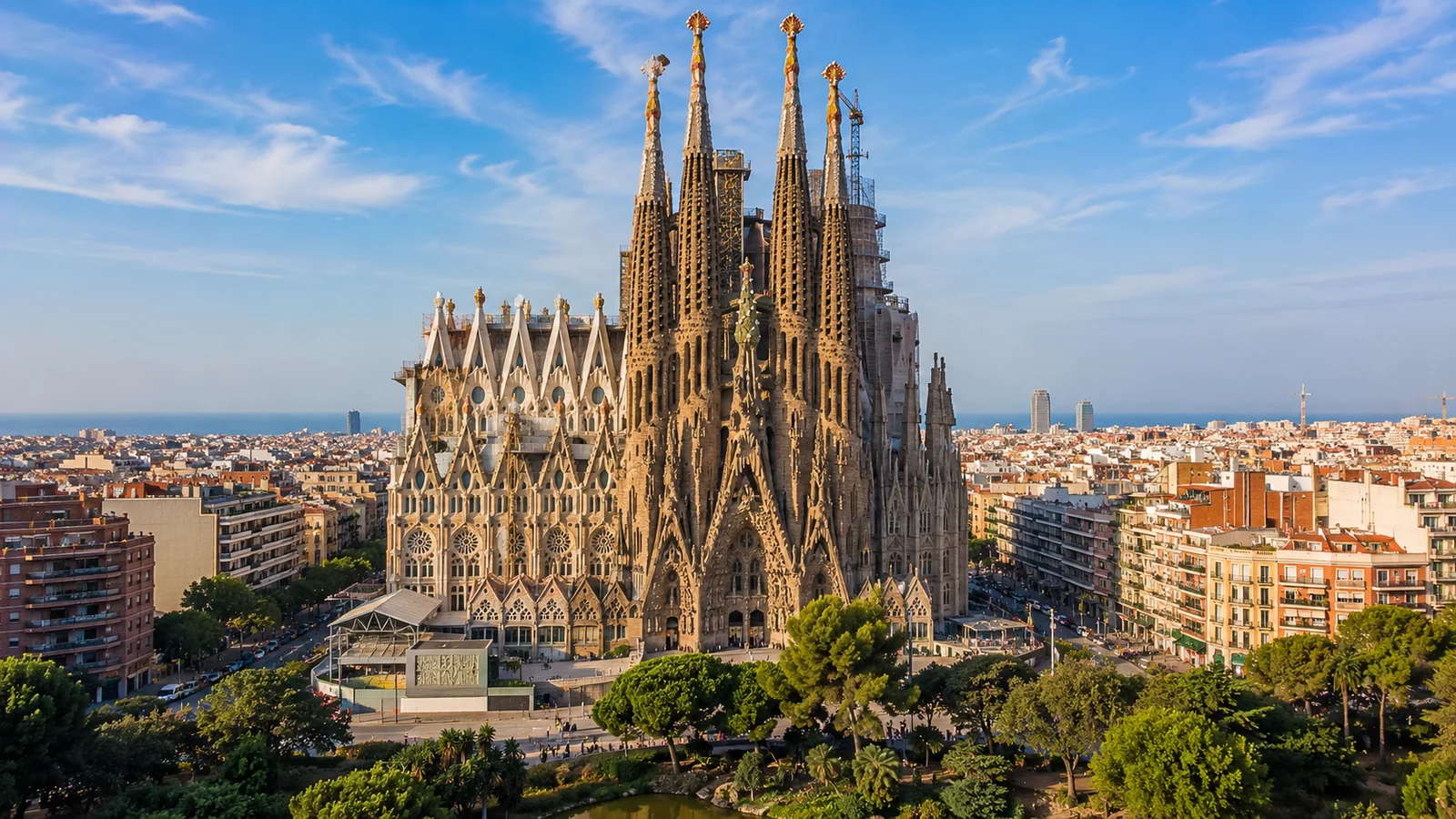
Barcelona brings together coastline, medieval streets, Catalan identity and some of Europe's most distinctive modernist architecture.
The city works particularly well as a first stop because major sights are spread across clearly defined neighbourhoods, while the beach and old centre remain within a relatively compact urban area. Travellers planning a longer stay can use the map to connect architectural landmarks with markets, museums, viewpoints and waterfront walks.
The defining work of Antoni Gaudi, known for symbolic facades, branching columns and coloured interior light. Timed entry makes advance booking useful during busy periods.
A hilltop park with mosaic decoration, landscaped paths and wide city views, especially useful for combining architecture, walking and photography.
A dense network of lanes, churches, courtyards and historic buildings where a detailed map helps uncover streets away from the busiest routes.
A complete modernist composition on Passeig de Gracia, pairing naturally with other Catalan architecture along the avenue.
A direct transition from the historic city to the Mediterranean, suited to beach walks, sunset views and a slower coastal rhythm.
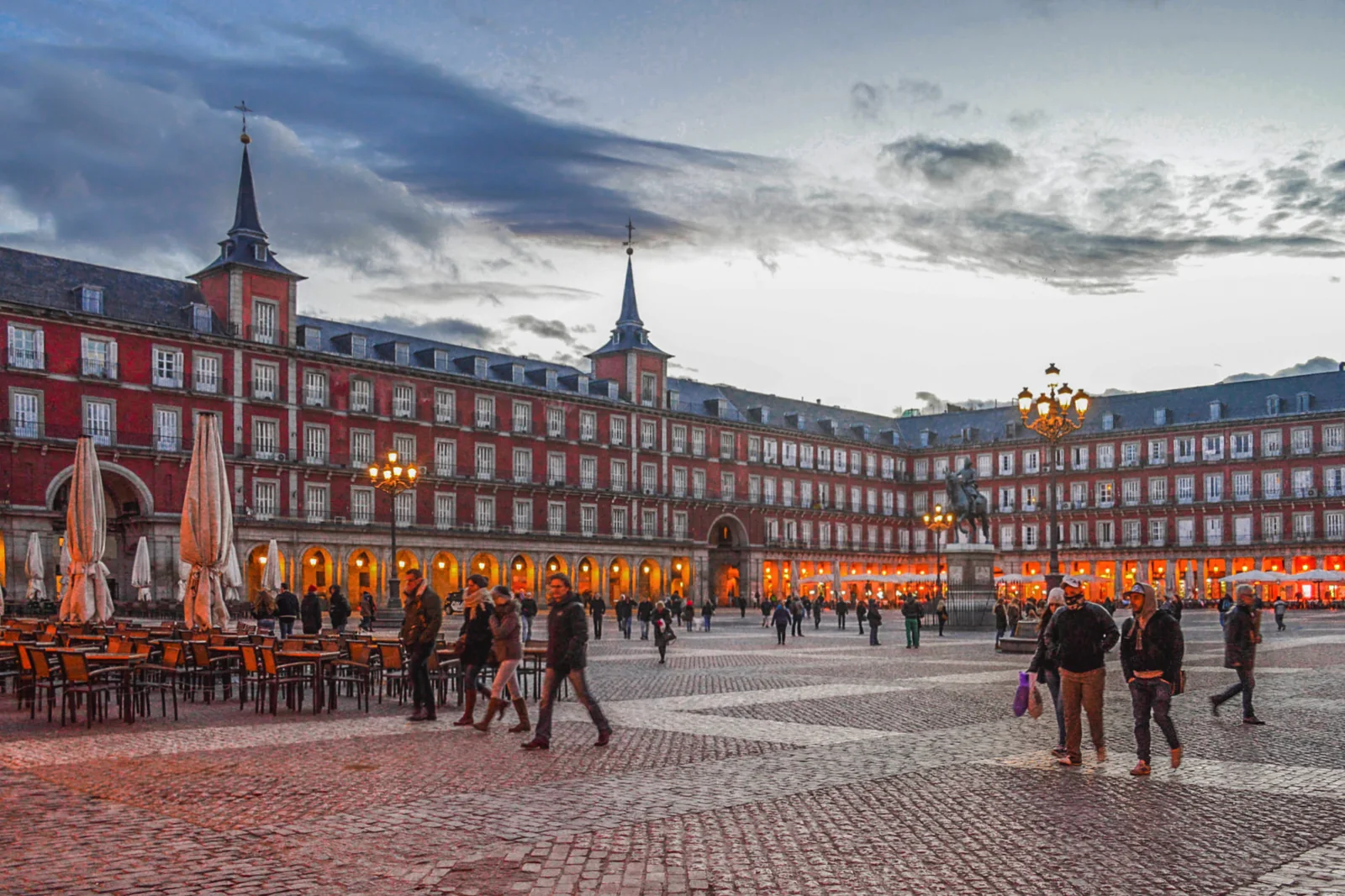
Madrid is Spain's political capital, largest cultural centre and one of the country's most useful transport bases.
The city is known for major art collections, royal architecture, formal squares and large public parks, but it also has a strong everyday street culture that becomes especially visible in the evening. Because Madrid sits near the centre of the country, it can serve as the starting point for routes in several directions.
One of Europe's great painting collections, with particular strength in Velazquez, Goya, El Greco and other Spanish masters.
A monumental royal complex close to Almudena Cathedral, Plaza de Oriente and the historic centre.
Madrid's central green break, useful between museum visits for gardens, lake views and calmer paths.
A historic arcaded square that works as a natural orientation point for walks through old Madrid.
Madrid's busy avenue for theatres, hotels, rooftops, shops and the capital's after-dark energy.
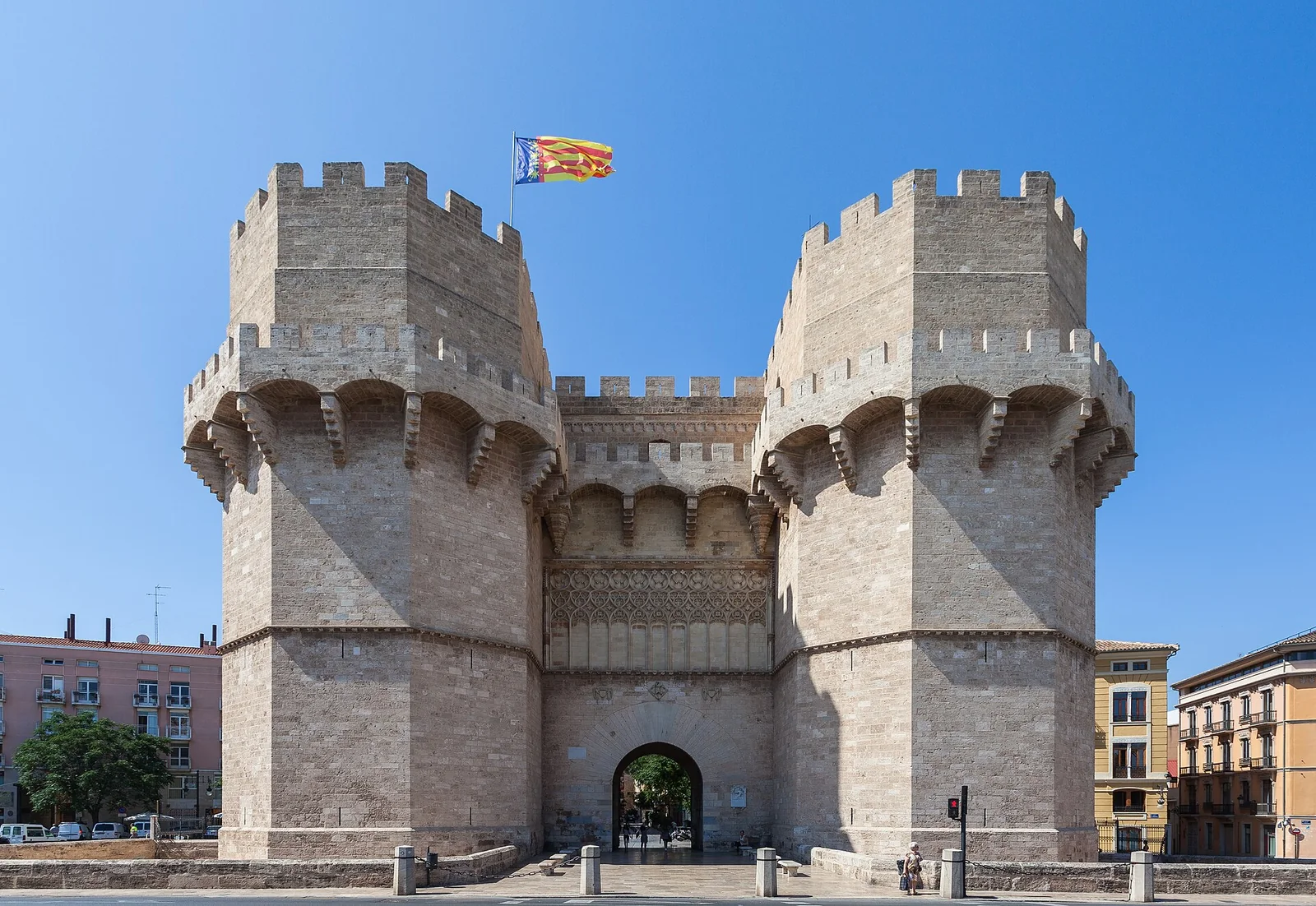
Valencia combines a walkable historic centre with ambitious contemporary architecture and direct access to the Mediterranean.
The former Turia riverbed now forms a long public garden that connects neighbourhoods, museums and sports areas, making the city's layout especially easy to understand on a map. Valencia suits travellers who want culture, food markets, cycling and time near the sea in the same itinerary.
A dramatic modern complex of museums, performance spaces and reflective pools at the eastern end of Turia Gardens.
A central landmark with layered architecture and the Miguelete bell tower viewpoint.
A UNESCO-listed Gothic silk exchange close to the Central Market.
A working food market and architectural landmark best visited earlier in the day.
A continuous green corridor that explains Valencia's unusual urban structure.
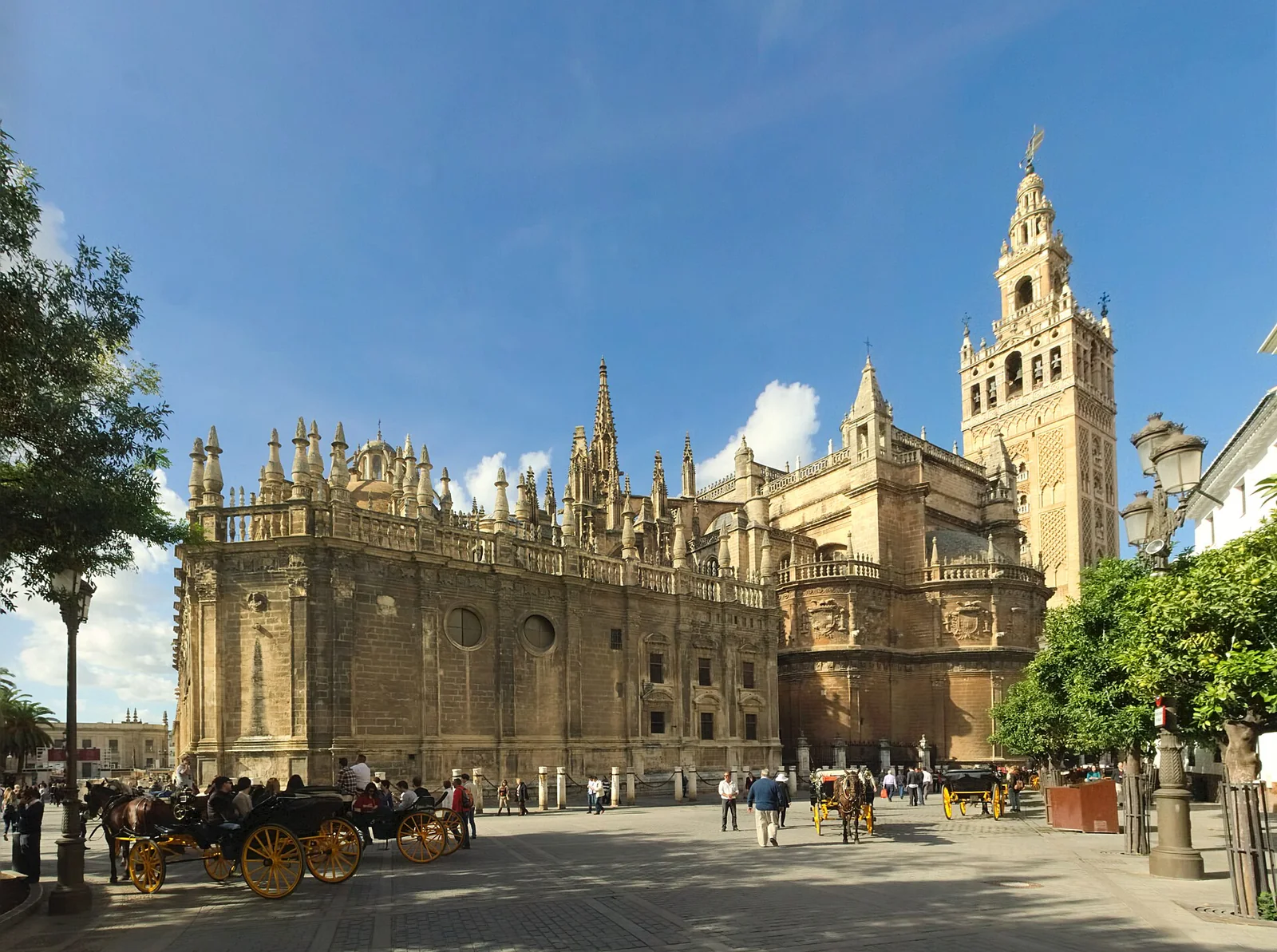
Seville is shaped by royal history, Islamic and Christian architecture, flamenco culture and the Guadalquivir River.
The historic centre is extensive but largely walkable, with major monuments clustered around the cathedral and the former Jewish quarter. A map-based route helps visitors balance the busiest landmarks with quieter districts such as Triana.
A vast Gothic cathedral and tower that show several layers of the city's history.
A working royal palace with Mudejar halls, later additions and extensive gardens.
A curved plaza with tiled provincial panels, bridges and a canal beside Maria Luisa Park.
A maze of narrow streets, shaded courtyards and small plazas near the cathedral and Alcazar.
A riverside district associated with ceramics, markets and flamenco culture.
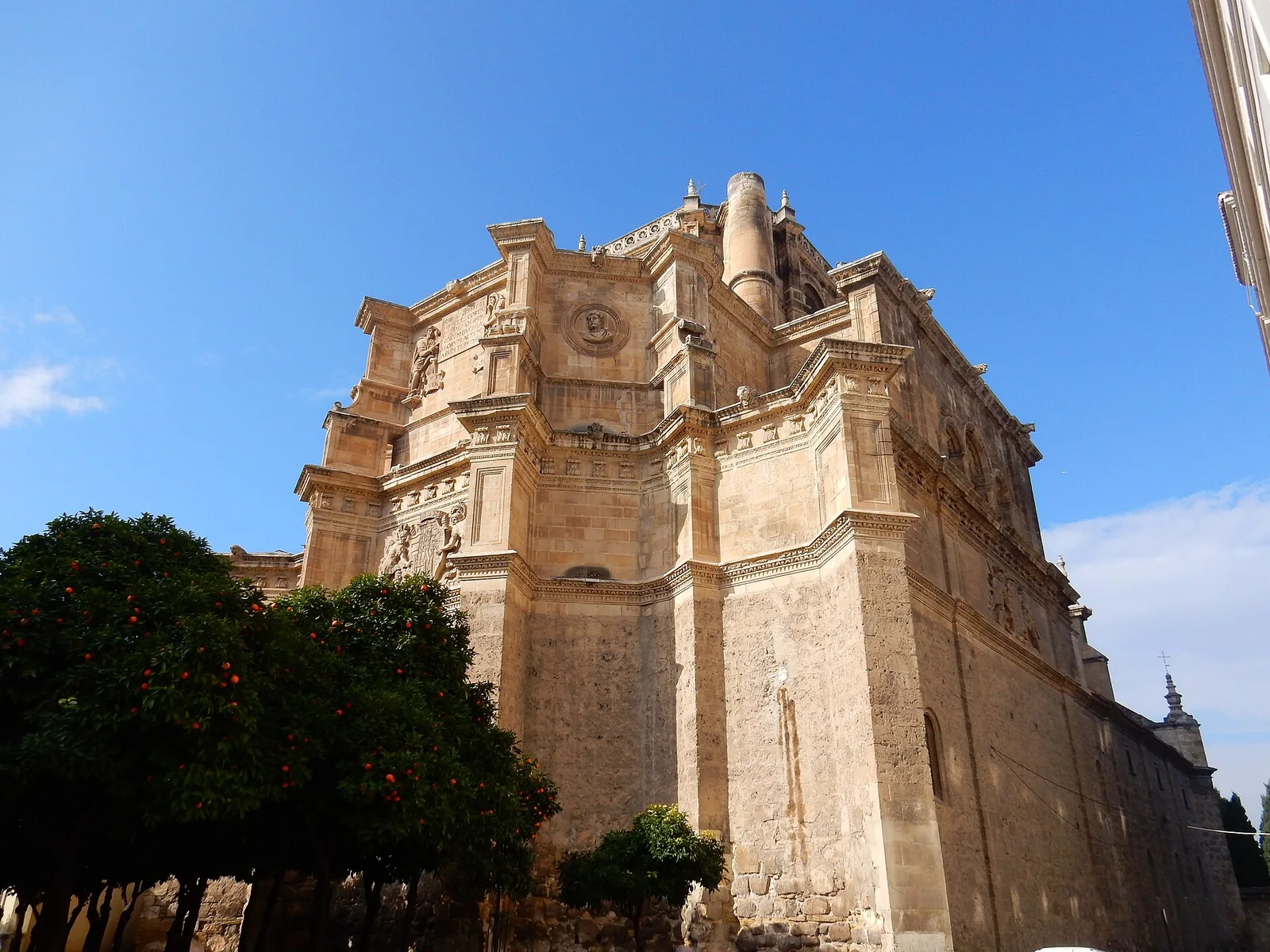
Granada is built around atmosphere, history, hill views and the relationship between the Alhambra and the Sierra Nevada.
Its steep streets create a compact but physically demanding walking environment. Careful route planning is useful, particularly when combining the Alhambra with the Albaicin and central monuments.
A palace, fortress and garden complex that represents the height of Nasrid art in Spain.
A retreat garden of water channels, greenery and views across the Alhambra complex.
A hill neighbourhood with Moorish street patterns, white houses and steep lanes.
The classic viewpoint toward the Alhambra and Sierra Nevada.
A Renaissance landmark close to the Royal Chapel and central streets.
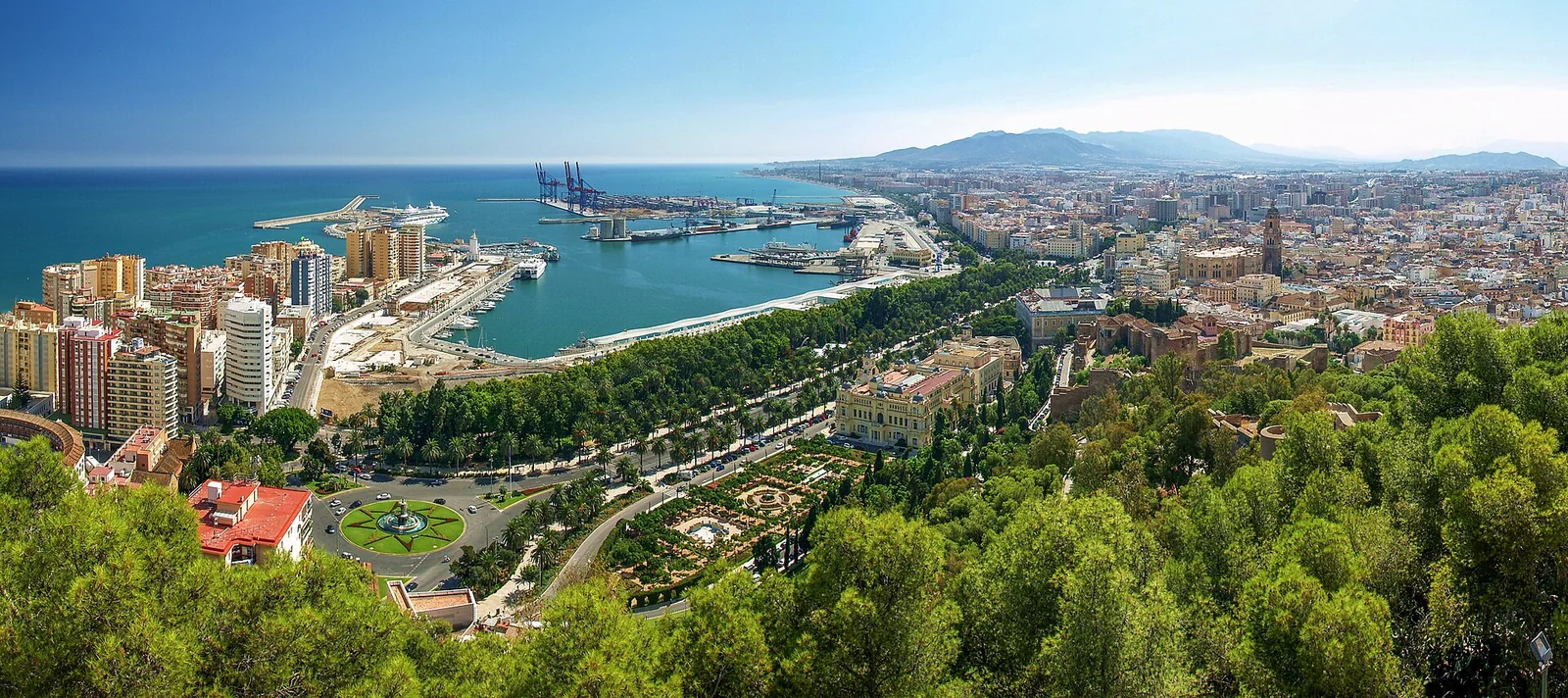
Malaga has become a major cultural destination while retaining the advantages of a Mediterranean port city.
Roman remains, Islamic fortifications, art museums and beaches are all close to the centre. This compact layout allows visitors to combine several types of experience without long transfers.
A fortified palace above the old city with walls, gardens, courtyards and port views.
A higher defensive viewpoint with panoramic views over the centre and coast.
A museum that gives context to Picasso's development through works from different periods.
A Renaissance landmark in the historic centre, known locally for its unfinished second tower.
The central beach that links sightseeing with the marina and Mediterranean promenade.
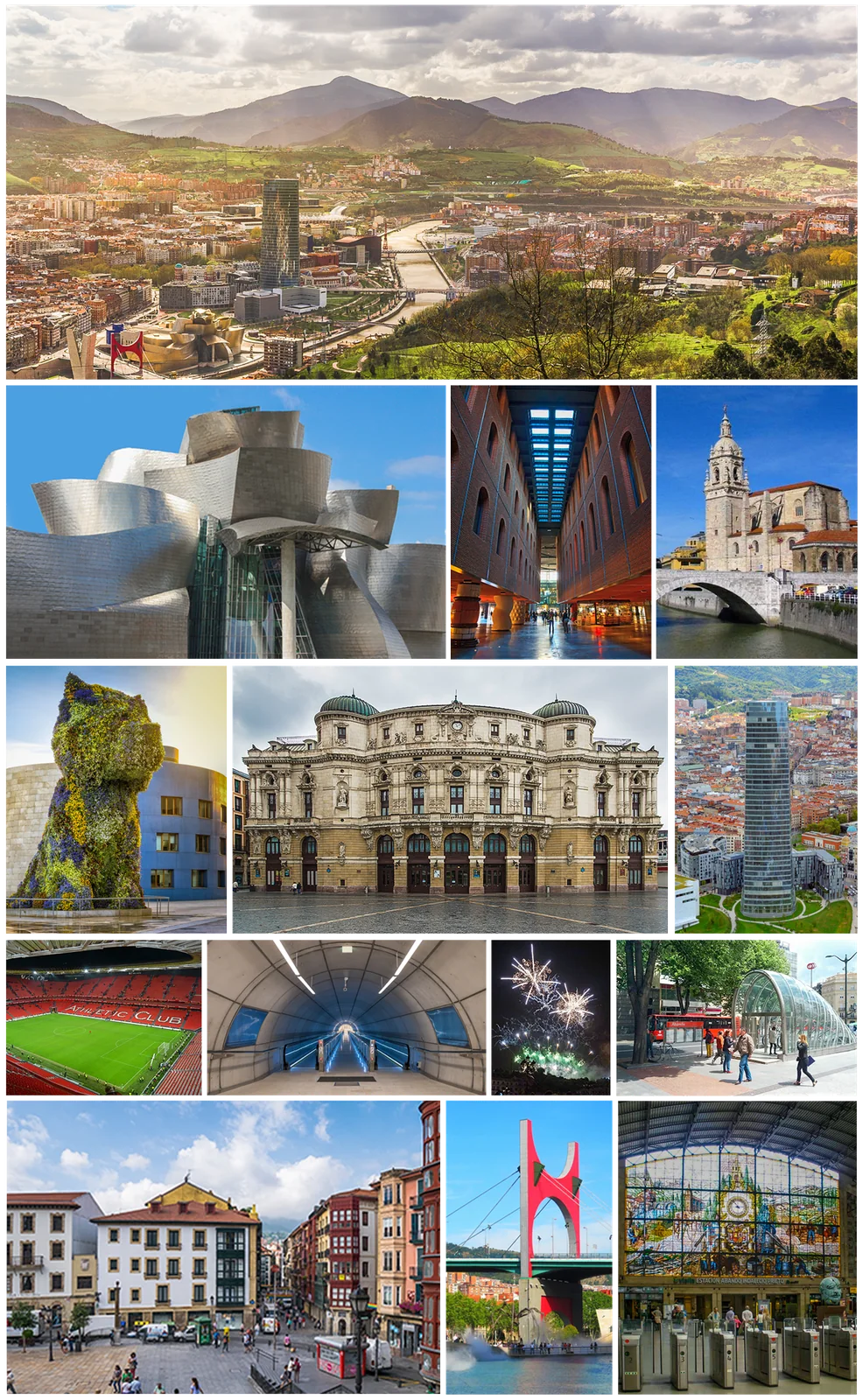
Bilbao shows how a former industrial city can reinvent itself through architecture, public space and culture.
The Nervion River structures many walking routes, while the old town preserves traditional food and commercial life. Bilbao is a strong introduction to the wider Basque Country.
Frank Gehry's titanium museum and the city's principal contemporary landmark.
The Seven Streets, pintxos bars, local shops and daily old-town life.
A riverside market combining food retail with spaces for eating and socialising.
A Calatrava pedestrian bridge that works as a useful riverside orientation point.
A broad art collection that complements the Guggenheim's contemporary focus.
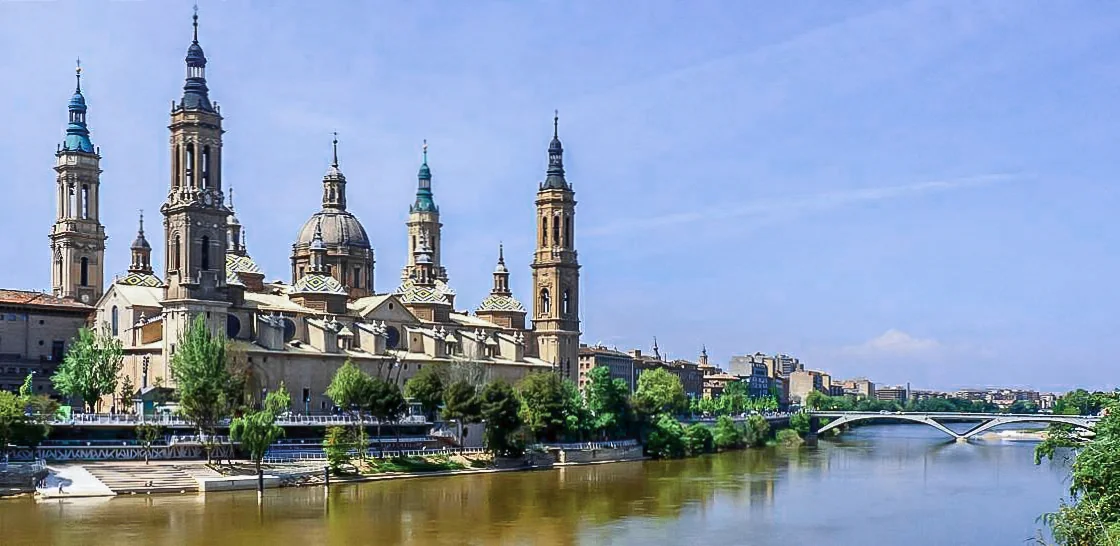
Zaragoza occupies a strategic position between Madrid, Barcelona, Valencia and the Basque Country.
Its monuments reflect Roman origins, Islamic rule, Christian expansion and later civic development. Central sights are close together, making Zaragoza a practical cultural stop between larger Spanish cities.
Zaragoza's defining pilgrimage landmark and best-known Ebro waterfront skyline.
An Islamic palace later adapted by Christian rulers, with important decorative courtyards.
A cathedral combining Romanesque, Gothic, Mudejar and Baroque elements.
Ancient Caesaraugusta remains that explain Zaragoza's urban continuity.
An easy route for skyline views, bridges, photography and evening walks.
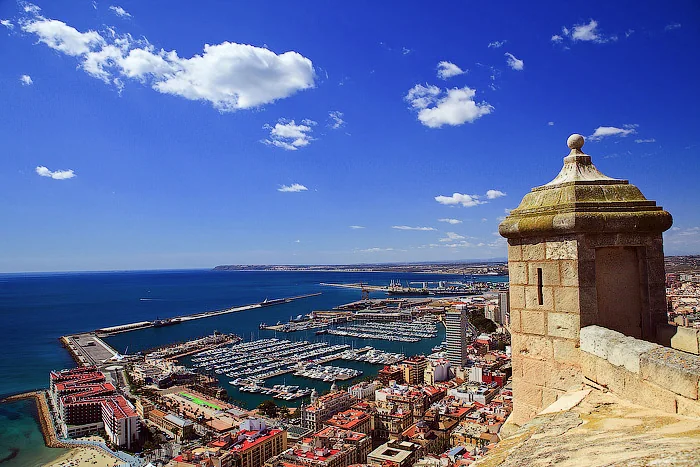
Alicante combines a working Mediterranean city with a strong beach-holiday character.
The castle above the harbour, old-town streets and central seafront can be visited within a short distance. It is a practical base for exploring the Costa Blanca and southeastern Spain.
A defensive site on Mount Benacantil overlooking the city, harbour and coastline.
A palm-lined seafront promenade linking the marina and city centre.
A central beach that lets travellers move from old town to sea without a long transfer.
One of Alicante's oldest religious buildings, close to museums and old-town streets.
A modern archaeology museum covering the province from prehistoric to medieval periods.
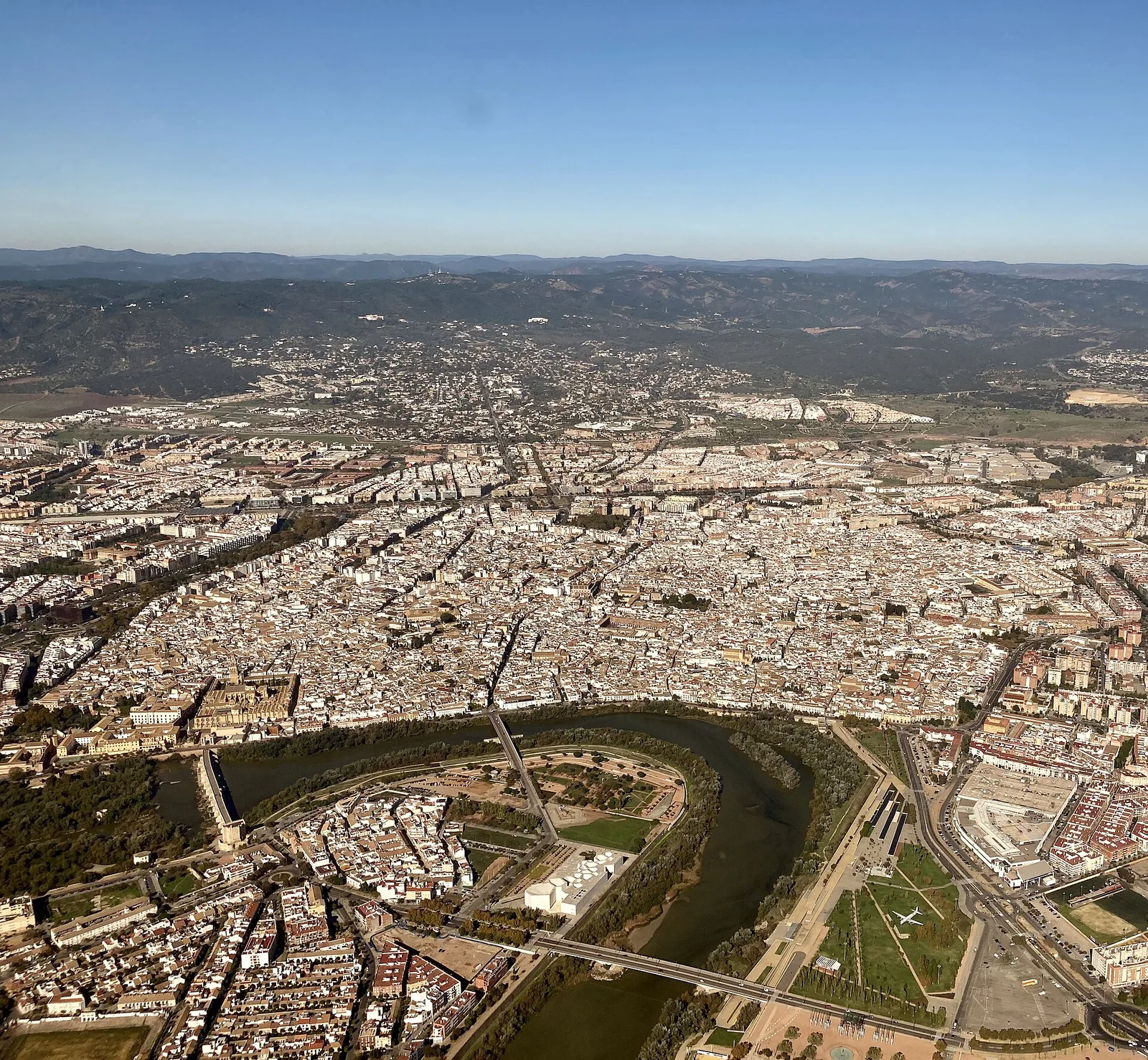
Cordoba preserves major Islamic, Jewish and Christian monuments within a compact old centre.
The city can be visited as a day trip, but an overnight stay allows more time for quieter evening walks, less crowded monument visits and a more generous view of the whitewashed streets and courtyards.
A remarkable religious building where an arcaded prayer hall and cathedral insertion share one space.
A fortress, royal site and garden complex close to the river and Jewish Quarter.
A classic approach to the historic centre across the Guadalquivir.
A compact network of narrow lanes, white houses, patios and historic sites.
Decorated courtyards of flowers, tiles, shade and water that express a long local tradition.
For a short trip, it is usually better to explore one city and its immediate surroundings in depth. Longer itineraries can connect Madrid with Barcelona or Valencia, follow an Andalusian route through Seville, Cordoba, Granada and Malaga, or focus on the north through Bilbao and nearby Basque destinations.
Opening each city and landmark makes it easier to group nearby stops, estimate walking time and identify attractions that require advance booking. Saved places and local route layers can turn the map from a simple geographic reference into a practical travel planner.
Spain's transport services, museum timetables, monument access rules and local events can change throughout the year. For authoritative information, travellers should consult official rail and bus operators, airport websites, municipal transport agencies, tourism boards and the official pages of individual attractions.
Spain is not defined by a single landscape or cultural tradition. Its cities reflect different languages, climates, historical influences and regional identities. Exploring them through a map helps travellers design a route that matches architecture, food, beaches, museums, history or slow urban walks.
 Related guide
Things to Do in Barcelona
Barcelona city guide - What attractions and beaches are there? Which neighborhood should you choose, and how do you get to Barcelona?
Related guide
Things to Do in Barcelona
Barcelona city guide - What attractions and beaches are there? Which neighborhood should you choose, and how do you get to Barcelona?
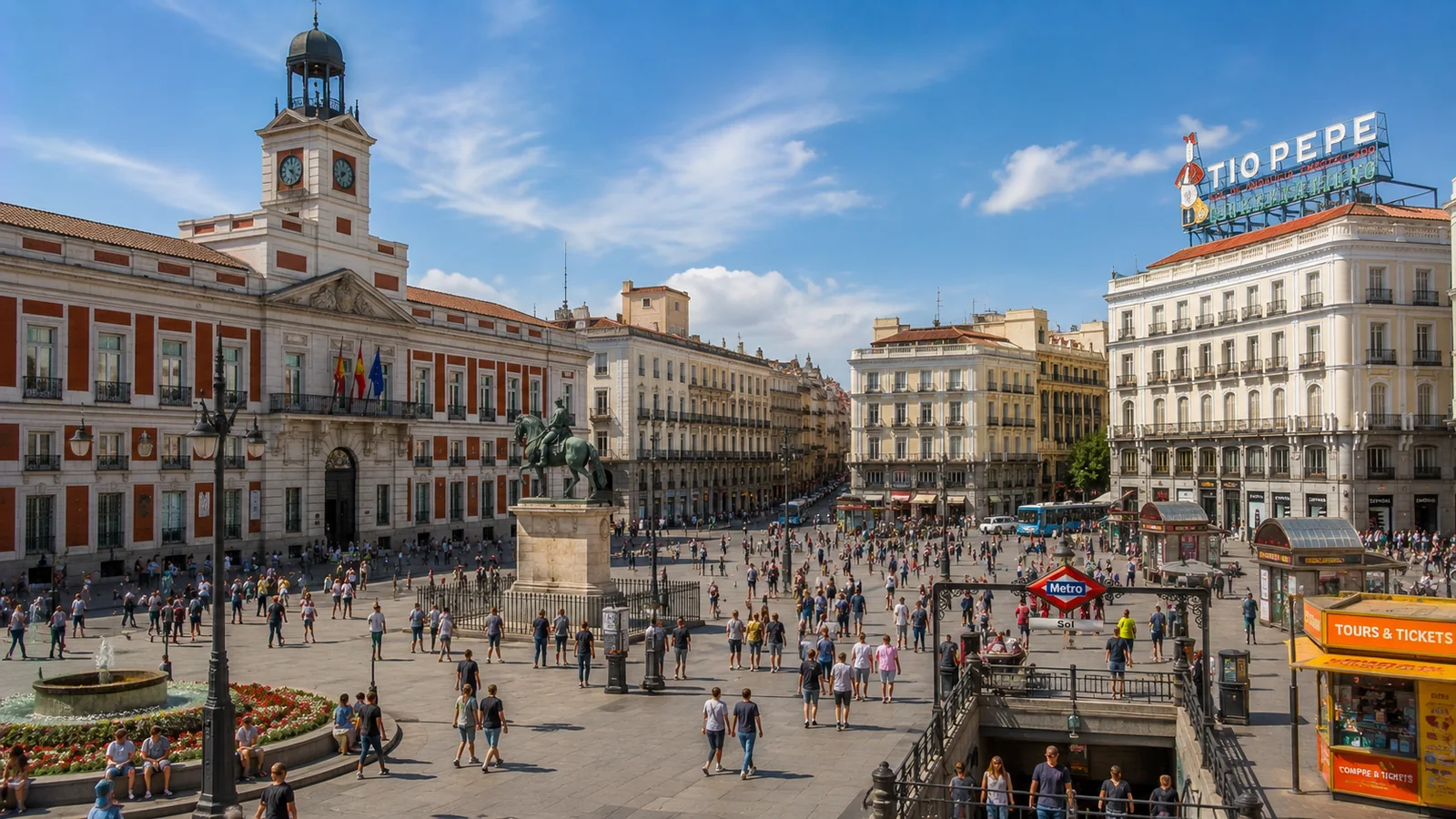 Related guide
Things to Do in Madrid
Madrid city guide for tourists - The perfect city travel itinerary - List of the popular attractions, where to eat, and where to stay
Related guide
Things to Do in Madrid
Madrid city guide for tourists - The perfect city travel itinerary - List of the popular attractions, where to eat, and where to stay
Use it to understand how Spain's main cities, regions and landmarks connect before building a weekend break, rail journey, road trip or longer multi-city itinerary.
The guide focuses on Barcelona, Madrid, Valencia, Seville, Granada, Malaga, Bilbao, Zaragoza, Alicante and Cordoba, with landmarks and route notes for each city.
Yes. The map is designed for route-first planning, so you can compare where cities sit, then move into TravelGeniuss flight, bus and train route pages when you are ready to book.
No. It is a planning guide. Opening hours, ticket rules, transport schedules and timed-entry conditions should always be confirmed on official attraction, operator and tourism websites.
For a short trip, choose one city and nearby places. For a longer trip, compare the Madrid, Mediterranean, Andalusian and northern routes, then match the route to your dates and transport mode.
Route notes
A short email with useful European route ideas, fare-drop notes, airport tips and practical city links. No noise, just things worth checking.
Unsubscribe anytime.