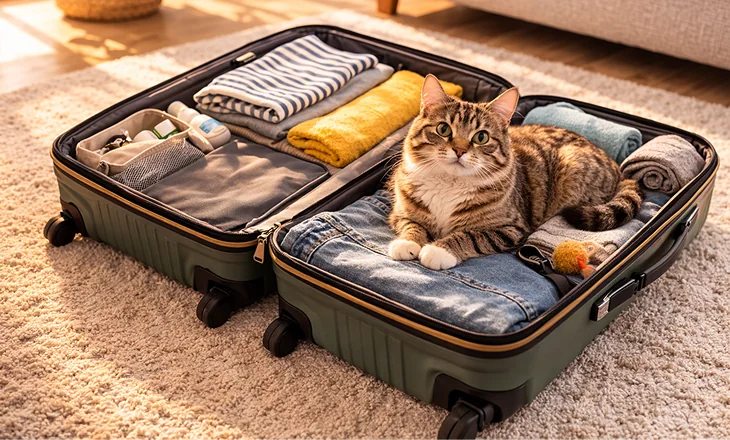

When traveling, you want to share your new experiences with your beloved pet. So why not take advantage of this opportunity? In real-world use, with the right preparation and compliance with all international pet travel rules, travellers can spend time and learn something new with your trusted companion.

Where to Start Preparing for the Trip?
Many countries have strict rules on importing pets. These rules are designed to preserve the local ecosystem and prevent the spread of dangerous infections. The key point is that therefore, before traveling abroad with your pet, research the requirements of the country you are visiting. These usually include:
- a microchip for identification;
- up-to-date vaccinations, especially against rabies;
- official pet vaccination requirements travel documents confirming the pet's health;
- special transportation conditions, such as quarantine or mandatory parasite treatment.
Compliance with these regulations is not only mandatory, but it will also save you from problems at customs. This is worth preparing all the paperwork before the trip, arranging transportation, and creating comfortable conditions for your four-legged companion.
What Documents Should Be Prepared?
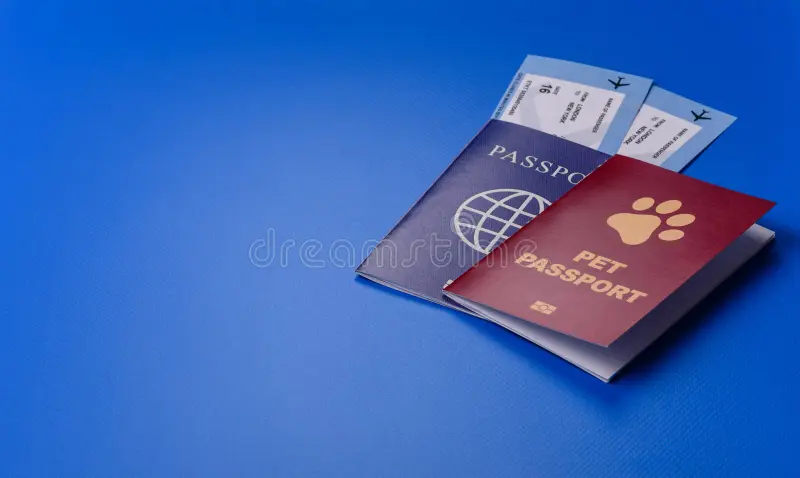
Within the European Union, the movement of dogs and cats is regulated by uniform rules. The animal must have an electronic identifier and consider a pet passport Europe requirements, where all vaccinations are recorded. In real-world use, the document must contain stickers with vaccine numbers, stamped by the veterinary service, as well as the exact dates of vaccination.
When traveling outside the EU, other rules apply depending on the rabies risk in the country of departure. study the destination country's requirements before the trip and prepare a complete set of documents to avoid quarantine.
Airlines often impose additional conditions of carriage. also to standard veterinary documents, they require completion of their own forms confirming that the animal complies with health and vaccination regulations, as well as the owner's responsibility for the animal's well-being during the journey. The carrier must be accredited and comply with IATA standards. these forms are especially important, as the airline must be confident in the pet's safety and comfort during the flight when decide to fly with a dog in the cabin.
Requirements of the Pet Carrier Size for Flights
The container used to transport an animal must be comfortable and safe. It must comply with IATA standards and be the right size: the pet must be able to stand and lie down freely inside. For practical trip planning, covered with absorbent material, and ventilation ensures air access describes the bottom of the container. Sturdy handles are required for carrying, and the walls are covered with thick fabric to reduce stress from light.
Compliance with the rules is checked at check-in. If the container is not suitable, travellers will not be able to fly with a cat in the cabin. A reliable plan starts with the fact that transportation is usually paid for as extra baggage, regardless of whether you have other items. Homemade containers are prohibited. This is permitted to transport two adult animals of the same species in one cage, provided that each weighs no more than 14 kg.
Pet Travel Checklist To Make the Trip Easier
Prepare your pet for the trip. Let them get used to the crate before the trip, which will temporarily replace their usual bed. From a traveller’s perspective, consider the following tips: when avoid know how to prepare your pet for a long trip.
- Pets may refuse food during travel, so it is worth carrying a small supply.
- If your pet eats willingly, avoid give them too much to avoid stomach problems.
- Water is essential. This is most convenient to take a separate bottle with a capacity of 0.5-1 liters.
- The use of sedatives is undesirable. They slow down adaptation and can lower body temperature.
- If tranquilizers are necessary, the decision should only be made by a veterinarian.
- it is helpful to bring familiar items, such as a favorite toy, blanket, or soft bedding to reduce stress.
By following proven pet travel food and water tips, you are also taking care of your pet's health. They will be able to adapt to their new environment more quickly and easily, and have a calmer journey.
Which Transport to Choose for Traveling with a Pet?
Each mode of transport differs in terms of both travel time and rules. Learn the basics to understand which option suits you best.
| Type of transport | Main conditions | Features and restrictions |
| Airplane | Small pets (up to around 8 kg together with the carrier) can be carried in the cabin. | Large animals are transported in the baggage compartment. Documents, vaccinations, and an IATA-compliant container are required. Limited, and transportation is paid separately describes the number of places. |
| Train | In Europe, small animals are allowed to travel in carriers. | In Ukraine, they are allowed if they have a veterinary passport and special containers. Rules vary depending on the country and carrier. Large dogs often require a ticket and a muzzle. |
| Bus | Cats and dogs can only be transported in closed carriers or bags with a sturdy body and moisture-absorbing bottom. | Placed under the seat or on your lap describes the carrier. the carrier may require payment for a ticket when put it in a separate seat. |
Regardless of your choice of transport, travellers will need a pet health certificate for travel. start training as soon as possible when want to go somewhere with your favorite.
Popular Pet Travel Mistakes to Avoid
Most animal transport errors are repeated and easy to avoid. Ignoring the plane, train, or bus travel with pets rules describes the most common problem. In real-world use, it may seem that vaccinations are sufficient, but international routes require a strict set of documents, including microchip requirements for pet travel.
Another serious mistake is ignoring the destination, route, and season. A cheap ticket with transfers may be convenient for a person, but for a pet, it means stress, long waits, and risks due to weather or overcrowded airports.
Also, don’t forget pet-friendly hotel tips. a sensible approach is to book pet-friendly accommodation before the trip, as there are always a few options available and they disappear quickly. For practical trip planning, the Pet Friendly label can help travellers find suitable apartments or hotels right away. Popular services have convenient search filters. Hotels for guests with pets offer additional amenities: beds, bowls, toys, treats, and even special menus. Some hotels take even better care of animals - providing grooming, walking, supervision, and even spa treatments. This makes the vacation as comfortable as possible for both owners and their pets.


Comments
No comments yet.